deadmau5 Deepfaked: A Warning Signal for the Music Industry
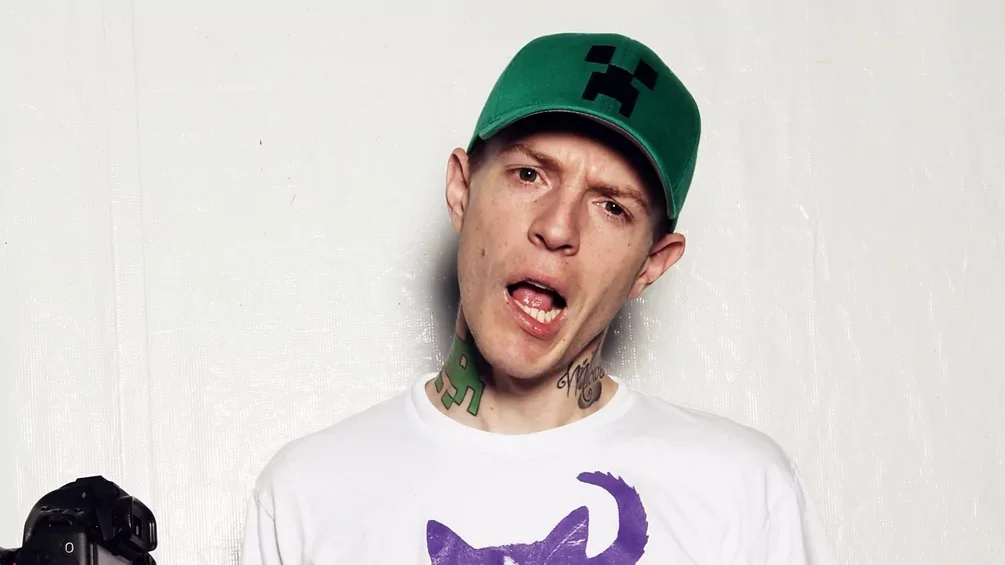
Credit: Deadmau5
An unnamed DJ used AI to generate a video of deadmau5 seemingly promoting his music. The clip looked convincing. The voice sounded close enough. The reaction was immediate - and it exposes a serious fault line in the digital music era.
A Synthetic Endorsement
Deadmau5 revealed that he woke up to an Instagram story showing himself endorsing another DJ. The problem was simple: it was entirely fake. The video had been generated using AI, replicating his likeness and nearly cloning his voice. The DJ behind it remains unnamed, as deadmau5 chose not to amplify him, but the implications are much bigger than one individual.
In electronic music, a co-sign carries weight. Fans trust it. Promoters notice it. Algorithms reward it. When that signal can be fabricated with generative AI, credibility becomes vulnerable. This was not parody or satire. It was a manufactured endorsement designed to benefit someone else without consent.
Innovation vs. Impersonation
Electronic music has always evolved alongside technology. From hardware synths to digital DJ software, innovation has shaped the culture. AI as a creative tool is not the issue. Many artists use it responsibly in production and visual design.
What crosses the line is impersonation. When AI is used to simulate identity rather than support creativity, it shifts from tool to exploitation. If a globally recognized figure like deadmau5 can be convincingly deepfaked, the risks for emerging artists are even greater.
This incident feels less like an isolated stunt and more like a preview. Generative AI is advancing rapidly, while ethical boundaries and platform enforcement lag behind. The scene now faces a critical question: how do you protect authenticity in a culture built on trust, when technology can manufacture it overnight?
Tesca Cappuccini, Digital Editor