Daft Punk Icon Thomas Bangalter Drops New Single “Mirage: Part II”
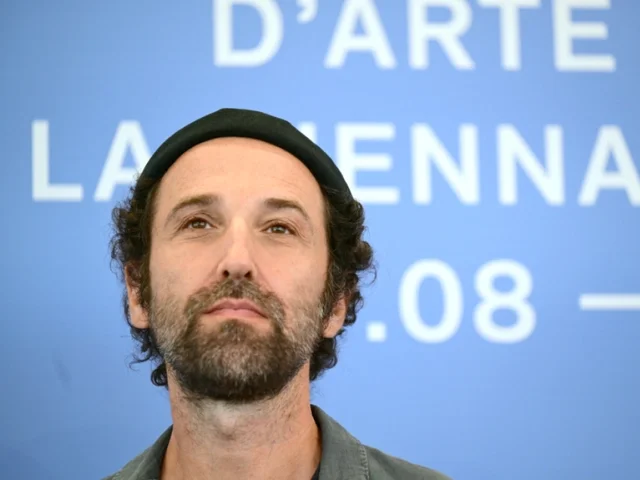
Credit: APA/APA/AFP/TIZIANA FABI
From dancefloor legacy to contemporary composition: the Thomas Bangalter story keeps evolving.
From Robots to Ballet Scores
Thomas Bangalter is stepping even further away from his roots in Daft Punk and deeper into the world of orchestral storytelling. His latest single, “Mirage: Part II,” offers a glimpse into an ambitious new body of work that trades club energy for cinematic depth.
The track is part of his upcoming album Mirage – Ballet For 16 Dancers, set to arrive on June 5 via Erato Records. Rather than aiming for peak-time impact, Bangalter leans into tension, space, and movement - music designed as much for the stage as for the listener.
A Ballet Built on Sound and Structure
The project originates from a full-length ballet premiered at the Grand Théâtre de Genève, created alongside choreographer Damien Jalet and visual artist Kōhei Nawa. The piece unfolds over roughly an hour, merging physical movement with a score that feels both mechanical and organic.
There’s a clear conceptual backbone here. Bangalter draws inspiration from Iannis Xenakis, known for blending mathematics, architecture, and sound. You can hear that influence in the sharp dynamics and almost architectural pacing of “Mirage: Part II.”
Eight Movements, One Vision
The album itself is structured into eight parts, reinforcing the idea that this is not just a collection of tracks but a continuous narrative. It builds on Bangalter’s recent trajectory, following releases like Mythologies and the score for Chiroptera Matiere Premiere, both of which signaled his shift toward large-scale composition.
Still Connected to Electronic Culture
Despite this classical detour, Bangalter hasn’t completely disappeared from electronic music. A rare DJ appearance alongside Fred again.. at the Alexandra Palace recently resurfaced in full as a stream - a reminder that his roots in club culture still echo beneath the surface.
A Different Kind of Energy
“Mirage: Part II” won’t hit like a festival weapon, and it’s not trying to. Instead, it pulls you into a slower, more deliberate experience - one that reflects how electronic pioneers can evolve far beyond the dancefloor without losing their identity.
Thomas Bangalter isn’t chasing trends. He’s building worlds.
Tesca Cappuccini, Digital Editor